What changes, and when
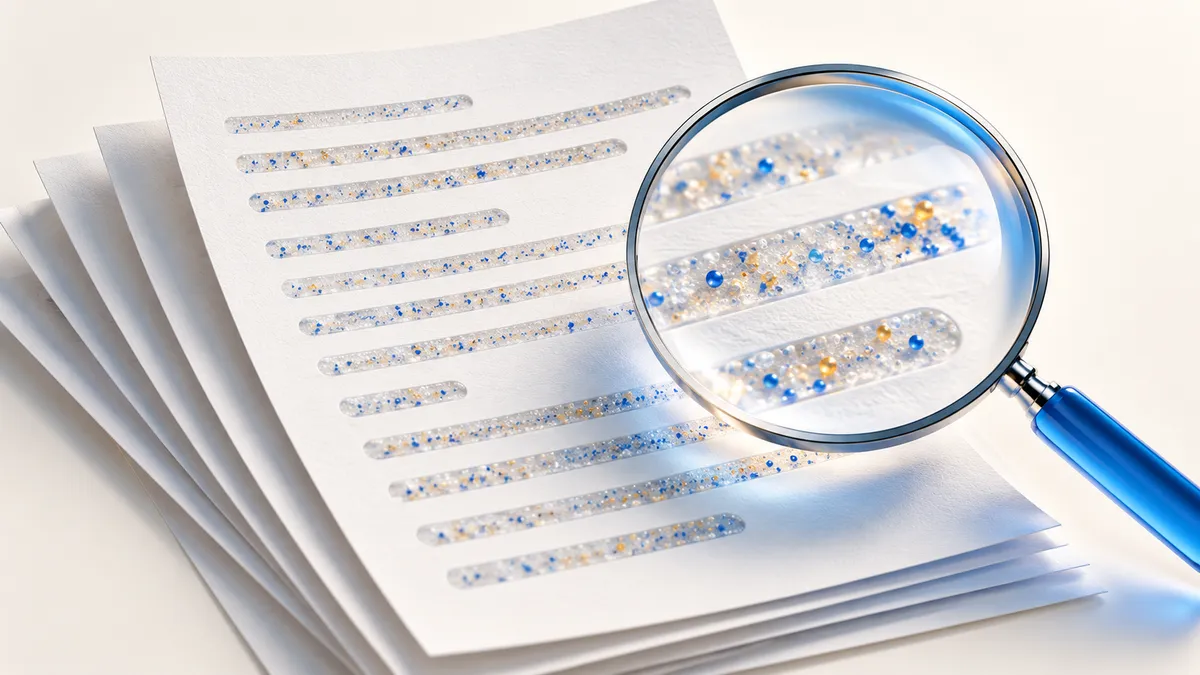
OpenAI announced textGrain on October 5, a statistical signal intended to help identify text generated by its models. It plans to enable the watermark by default for eligible ChatGPT and Codex outputs across all plans in the European Union over the coming weeks. This is a planned rollout, not confirmation that every European account already has it.
API customers worldwide can opt in on selected models. The setting is off by default, and support does not extend to every model. This option is separate from the planned consumer product rollout.
Detection has limits
The detector is available only to approved researchers and expert organisations, rather than the general public. It can produce false positives and miss marked text. An absent signal does not prove that a human wrote the text.
The watermark neither identifies the user who generated an output nor guarantees its accuracy. These limits matter when assessing content or trying to establish its origin.
What this means in Israel
OpenAI describes the initiative as part of its response to European transparency requirements. This announcement does not introduce automatic ChatGPT or Codex watermarking in Israel. The worldwide API opt-in is a separate route, subject to eligibility and model support.